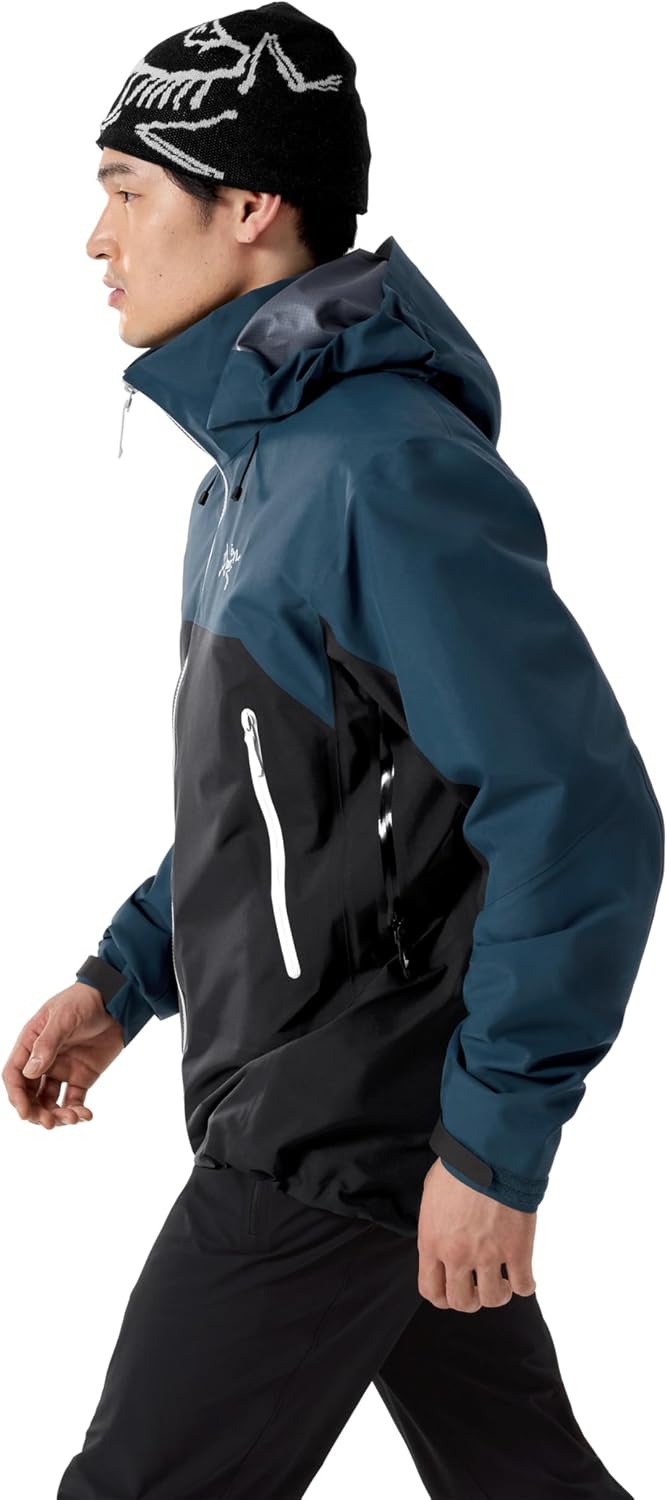
If you’ve ever stood in a ski shop staring at two shells — one priced at $650 and one at $950 — and wondered what could possibly justify that $300 gap, you’re in good company. Both jackets might carry the Gore-Tex logo. Both promise to keep you dry. The difference lives in the construction layers hidden inside the fabric itself, and understanding that construction is the entire decision. A “shell” in ski parlance means a jacket with no insulation — just waterproof, breathable fabric designed to block wind and precipitation while letting your body heat escape. Gore-Tex is a membrane technology made by W.L. Gore & Associates — a microscopically thin film that water droplets can’t penetrate but water vapor can pass through. That membrane can be assembled into a jacket in different ways, and how it’s assembled determines whether your shell lasts two seasons or ten. This article maps the real tradeoffs so you can make the call with confidence.
What “3-Layer” and “2-Layer” Actually Mean
Let’s strip the marketing language out. When Gore-Tex or any fabric brand talks about “layers,” they’re describing how the waterproof membrane is bonded to the surrounding fabrics inside the jacket.
3-Layer construction (3L): The outer face fabric, the Gore-Tex membrane, and an interior backing fabric are all laminated — permanently fused — into a single composite sheet. There’s no separate hanging liner. Pull the jacket open and you’re touching that laminated composite directly. The result is a single-piece material that moves with you, weighs less, and doesn’t absorb sweat or moisture internally.
2-Layer construction (2L): The Gore-Tex membrane is laminated only to the outer face fabric. The interior needs protection from abrasion (skin, base layers, pack straps), so the jacket is built with a separate, loose-hanging mesh or taffeta liner. That liner is not bonded to the membrane — it hangs free.
2.5-Layer (2.5L) exists as a middle ground: the membrane is bonded to the outer, and a printed or embossed pattern on the interior replaces a full hanging liner. It’s lighter and cheaper than 3L but more delicate in long-term wear.
Why does bonding matter? Because every loose layer is a layer that can absorb moisture, add dead weight, abrade the membrane over time, and create that clammy, wet-feeling interior that skiers know from budget shells. According to W.L. Gore & Associates’ published product technology documentation, 3L constructions are specifically engineered for high-output activities where moisture management and pack weight are performance variables — exactly the use case for skiers who generate serious heat on the uptrack or charging steep fall lines.
The Price Gap, Quantified
Here’s the honest version of where the market sits as of spring 2026:
- Gore-Tex 2L ski shells: $400–$700 (Arc’teryx Beta, Flylow Cloudwash, Outdoor Research Hemispheres)
- Gore-Tex Pro 3L ski shells: $750–$1,100 (Arc’teryx Sabre, Norrøna Lofoten, Mammut Eiger Speed)
- Price delta for Pro 3L over standard 2L: typically $200–$400
- Expected lifespan delta reported by long-term owners: 2L shells average 3–5 seasons of hard use; 3L Pro shells regularly reach 6–10 seasons before delamination or face fabric failure
That last line is where the math starts to favor the premium. Freeskier Magazine’s outerwear durability and long-term review roundup repeatedly surfaces owner reports of Pro 3L jackets running 7–8 hard seasons in BC and PNW conditions before any meaningful degradation. A $950 jacket over 8 seasons is roughly $119/season. A $550 2L jacket replaced every four seasons is $137/season — and that’s assuming you get full four-season life, which high-use skiers often don’t.
The cost-per-season math doesn’t universally favor 3L. If you’re skiing 15–25 days a year at a resort and aren’t touring or spending full days in variable coastal weather, the performance gap is real but the value equation tightens considerably. For 60+ day seasons with backcountry exposure, the math shifts decisively toward Pro 3L.
Where the Performance Gap Shows Up in Real Skiing
Breathability under load. Gore-Tex’s published product spec documentation shows that Pro 3L achieves higher MVTR (Moisture Vapor Transmission Rate — the measure of how quickly sweat vapor passes outward through fabric) than standard Gore-Tex 2L. In practice, owners of Pro 3L shells consistently report meaningful differences during touring ascents and aggressive resort laps: the jacket “dumps” heat faster, so you’re not stopping to vent as often. Outside Online’s “The Best Ski Shells of 2025” specifically flags this breathability difference as the primary reason touring-oriented buyers should consider Pro 3L over standard constructions.
Durability against abrasion. In a 3L shell, the membrane is protected between two bonded layers. In a 2L, the membrane is on the interior face of the outer fabric — and that loose inner liner is the only thing protecting it from your pack’s hip belt, your boot cuffs, and the back of your seat on the lift. Powder Magazine’s shell buyer’s guide and fabric construction feature notes that delamination — the gradual separation of the membrane from its bonded layers — is the primary failure mode for ski shells, and it correlates strongly with construction quality and how well the membrane is protected. Pro 3L membranes also use a physically more robust ePTFE membrane than standard Gore-Tex, per W.L. Gore & Associates’ product tier documentation.
Weight and packability. Without a hanging liner, 3L shells are typically 80–150 grams lighter than comparable 2L designs. That’s not trivial if you’re skinning with a shell crammed under your pack’s lid or traveling alpine-start to alpine-start in Coastal BC terrain. Teton Gravity Research’s backcountry outerwear guide consistently recommends 3L constructions for guides and serious alpinists precisely because the absence of a liner reduces bulk and retained moisture on multi-day objectives.
Weather ceiling. Standard Gore-Tex — used in most 2L constructions — performs well in resort conditions: groomer days, moderate snowfall, sidecountry laps. Gore-Tex Pro, the membrane spec used in most high-end 3L shells, is rated for demanding mountain conditions per W.L. Gore & Associates’ published product documentation, with higher abrasion resistance and tested performance across extreme wind, driving rain, and multi-day immersion exposure. If your skiing regularly puts you in Cascades maritime snowpack, Coastal BC storm cycles, or spring Rockies conditions where wet snow loads your shell for hours, that ceiling matters.
Brand Matchups: Where the Market Sits
Arc’teryx Sabre (3L Pro) vs. Arc’teryx Beta (2L)
The Sabre is Arc’teryx’s dedicated ski shell with more articulation and a helmet-compatible hood designed specifically for freeride use. Owners consistently report it as a decade-capable jacket in hard use — Freeskier Magazine’s long-term review roundup cites the Sabre as a reference point for Pro 3L durability in hard-charging conditions. The Beta is lighter, more packable, and better suited for alpine and backcountry travel where ski-specific features matter less. The Sabre commands roughly a $200–$300 premium over comparable Beta configurations. For resort and freeride skiers, the Sabre’s ski-specific geometry and Pro membrane is worth it; for ski-touring-dominant users, the Beta’s weight savings are more meaningful.
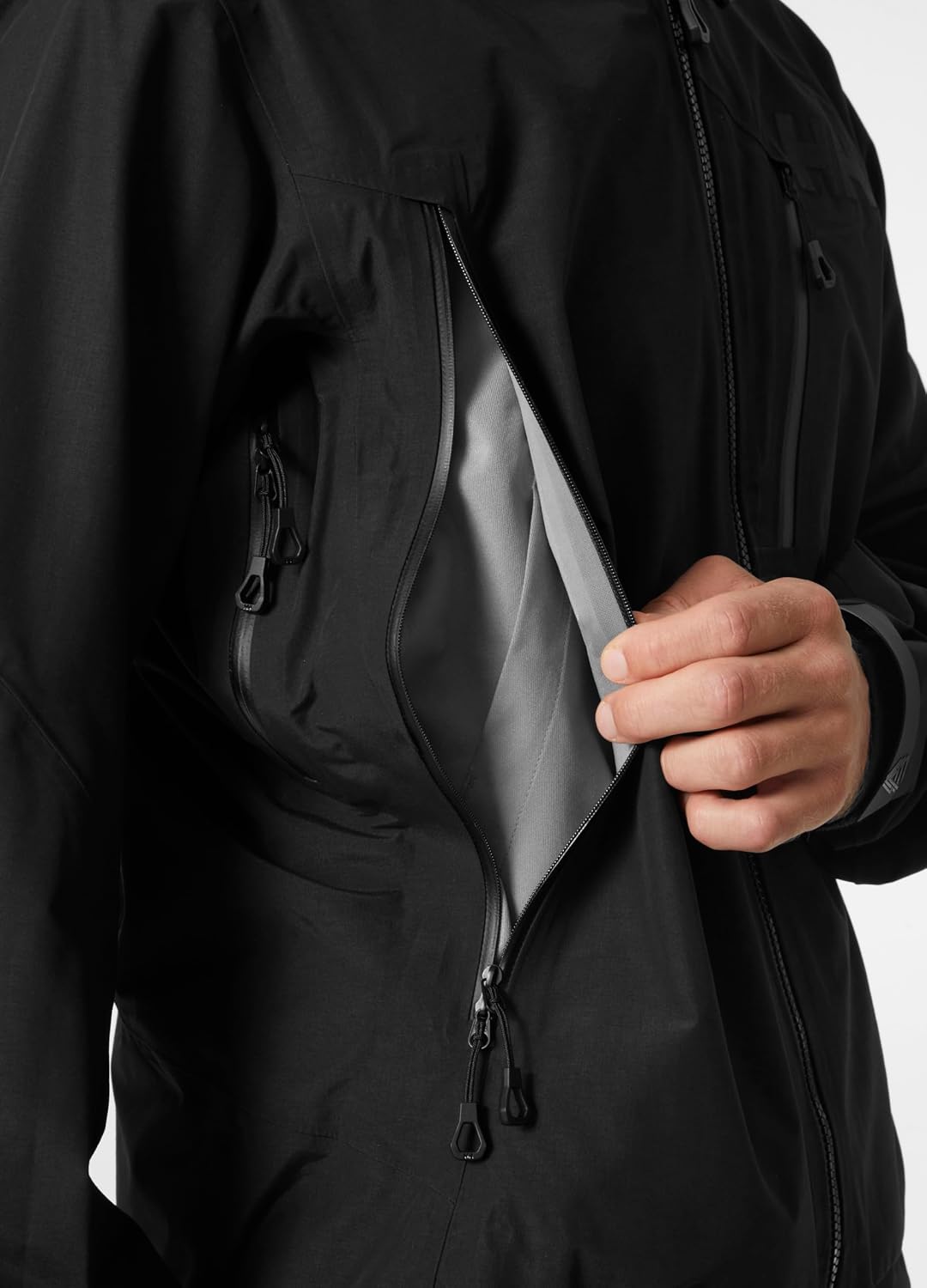
Helly
$450.00
In stock on Amazon
Check price on AmazonNorrøna Lofoten Gore-Tex Pro (3L) vs. Flylow Cloudwash (2L)
This comparison most directly represents the boutique spectrum. Norrøna’s Lofoten is built for Scandinavian coastal conditions — the kind of variable, wet, wind-loaded weather that chews through lesser shells. Outside Online’s “The Best Ski Shells of 2025” highlights the Lofoten as a top recommendation for skiers in wet coastal markets, specifically for its Pro 3L moisture management in prolonged storm exposure. The Cloudwash is an outstanding value play with a loyal following among Wasatch and Colorado skiers. Powder Magazine’s shell buyer’s guide praises the Cloudwash for holding up across multiple Wasatch seasons without delamination — at a meaningfully lower price than comparable 3L options. These two jackets are built for legitimately different conditions, not just different price points.
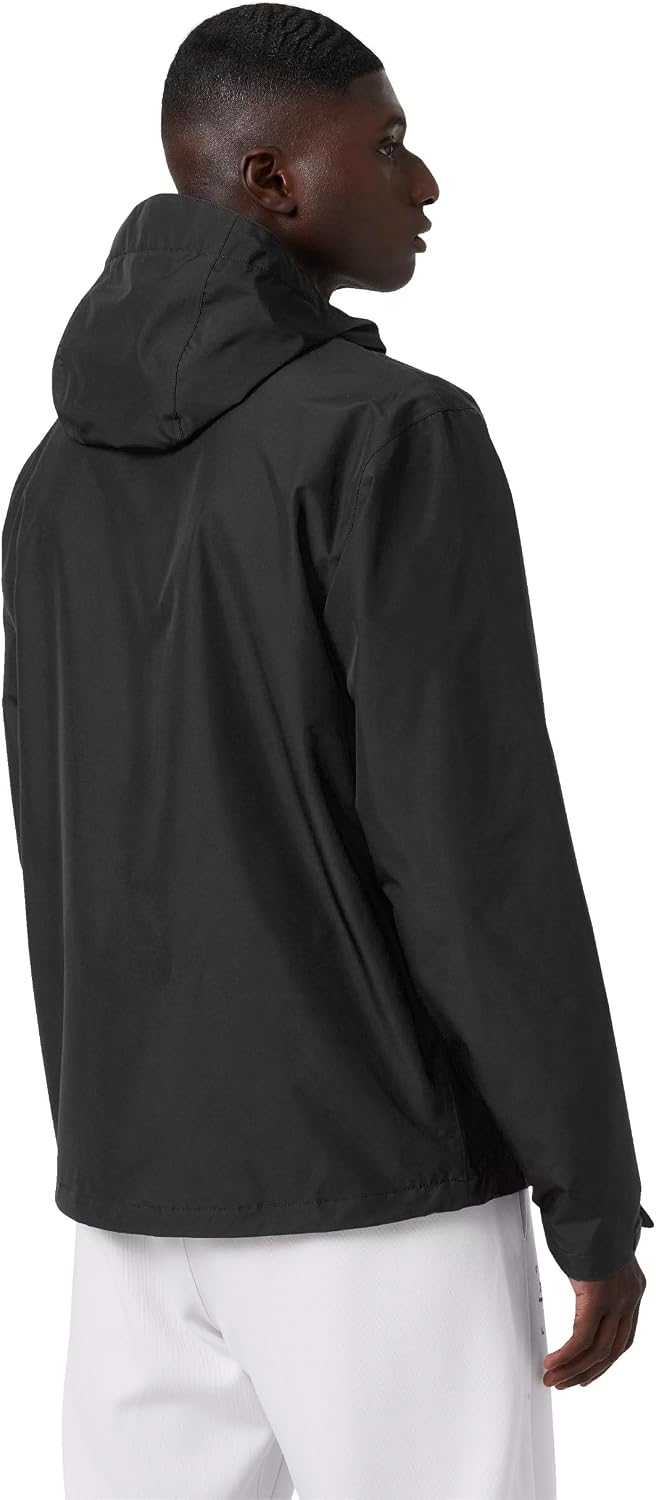
Helly
$120.00
In stock on Amazon
Check price on AmazonOutdoor Research Hemispheres (2L) vs. Mammut Eiger Speed (3L Pro)
Mammut’s Eiger Speed has become a reference point in the guide community — Teton Gravity Research’s backcountry outerwear guide highlights it as a purpose-built Pro 3L option for high-output objectives with demanding durability requirements. It’s built around guide-level construction for multi-day touring loads, extended ridge exposure, and the kind of conditions where your shell is working hard for eight or more hours at a stretch. The Outdoor Research Hemispheres is a practical, bomber 2L choice that punches above its weight for resort use. If you’re guiding or doing serious multi-day touring, the Mammut’s construction is purpose-built for that load; if you’re a strong intermediate skier doing weekend resort laps in drier climates, the Hemispheres delivers genuine performance at a lower commitment.
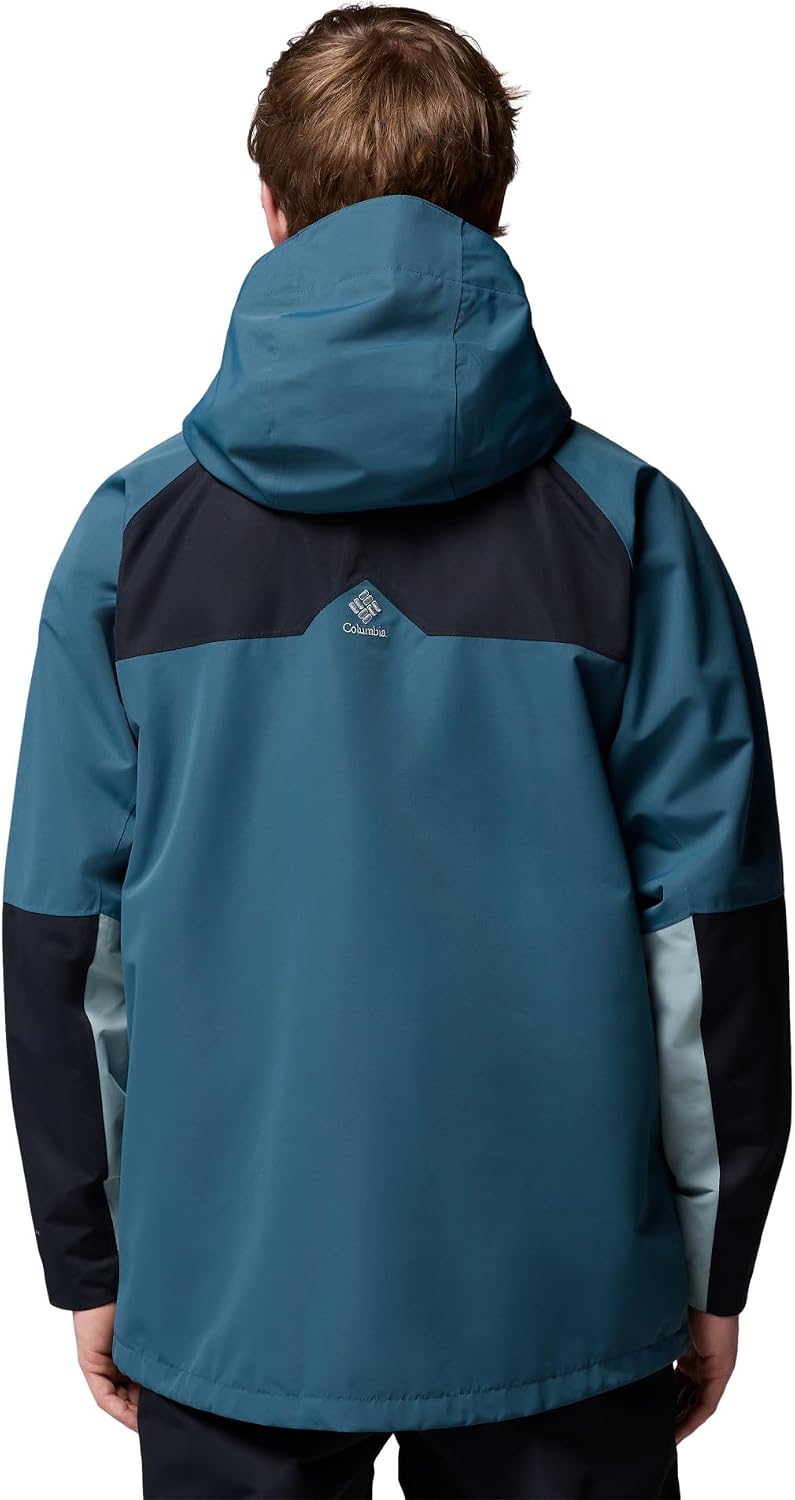
Columbia
$77.00
In stock on Amazon
Check price on AmazonWhen 2L Is the Right Call
Don’t let this read as a blanket endorsement of Pro 3L for everyone. There are clear scenarios where 2L wins:
You ski 20–35 days per season at a resort, mostly in drier climates. The Wasatch’s characteristically low-moisture powder is considerably gentler on outerwear than coastal BC rain-snow. Utah resort skiers consistently report strong multi-season life from quality 2L shells. Flylow’s Cloudwash earns consistent long-term praise in Powder Magazine’s buyer’s coverage for holding up through 4–5 Wasatch seasons without delamination.
You’re building a two-jacket quiver. If you already own a solid softshell for mellower days, a 2L hardshell as your “nuclear option” jacket sees fewer total days and spreads wear across the quiver. In this case, the Pro 3L longevity premium pays off more slowly.
Budget ceiling is real. A quality 2L Gore-Tex shell from Arc’teryx, Flylow, Strafe, or Outdoor Research at $500–$650 is a genuinely excellent piece of equipment. Don’t let perfect be the enemy of good — if the 3L option means skipping a binding upgrade or compromising on boot fit, those decisions affect your skiing far more immediately.
You’re shopping in the shoulder season closeout window. Spring sales (March–May) and pre-season deals (August–September) can compress the price gap significantly. Catching a Pro 3L shell at 30–40% off closeout pricing fundamentally changes the value equation. If you can find a 3L shell at $650 during a summer clearance, the cost-per-season math becomes compelling at almost any use frequency.
The Decision Rule
If you’re still working out which way to go, here’s the clean version:
If you ski 50+ days a year, regularly tour or access sidecountry, or ski in wet coastal snowpack (BC, Cascades, Sierra): buy the Pro 3L shell. The durability and breathability delta is real, and the cost-per-season math favors the premium over any horizon longer than 4–5 seasons. The Arc’teryx Sabre, Norrøna Lofoten Gore-Tex Pro, and Mammut Eiger Speed represent the best of this tier.
If you ski 20–40 days a year primarily at a resort, primarily in drier climates (Rockies, Wasatch), and run a multi-jacket quiver: a quality 2L shell from a brand with a strong construction reputation gives you genuine performance without overpaying for a durability premium you may not need. The Flylow Cloudwash, Strafe Nomad, and Outdoor Research Hemispheres are the right starting points for this use profile.
If you’re shopping in the spring closeout window: check current pricing on Pro 3L options before defaulting to 2L. A 30–35% discount compresses the gap enough that the 3L often wins on pure cost-per-season math even at lower use frequencies.
The construction difference between these two tiers is real, measurable, and well-documented across W.L. Gore & Associates’ published spec documentation, Outside Online’s annual ski shell roundups, Powder Magazine’s fabric guides, Freeskier Magazine’s long-term owner reviews, and Teton Gravity Research’s backcountry outerwear coverage. The question isn’t whether there’s a performance gap — there is. The question is whether your skiing demands enough of your shell to make that gap matter. Answer that honestly and the right jacket becomes obvious.